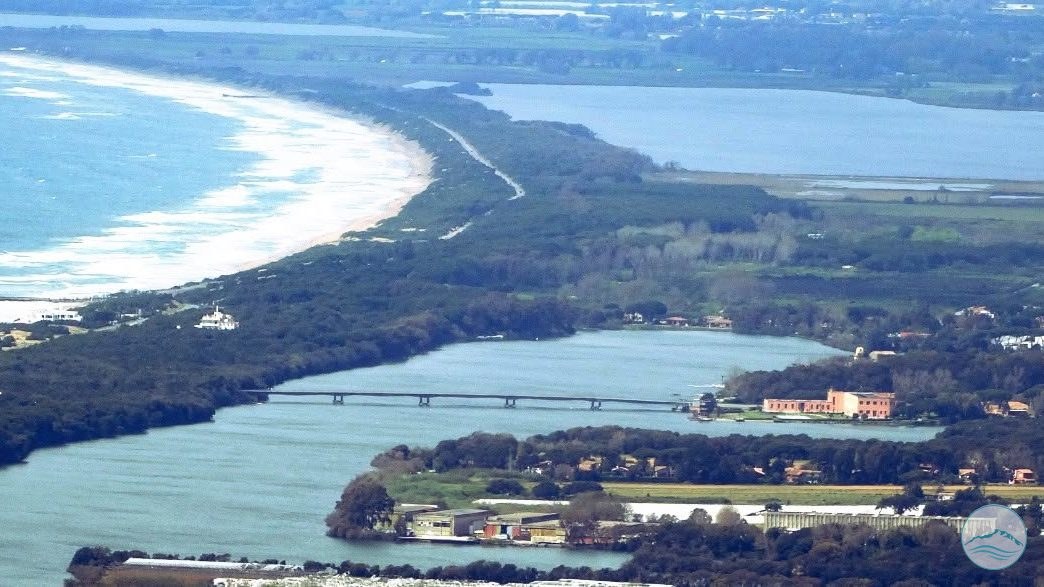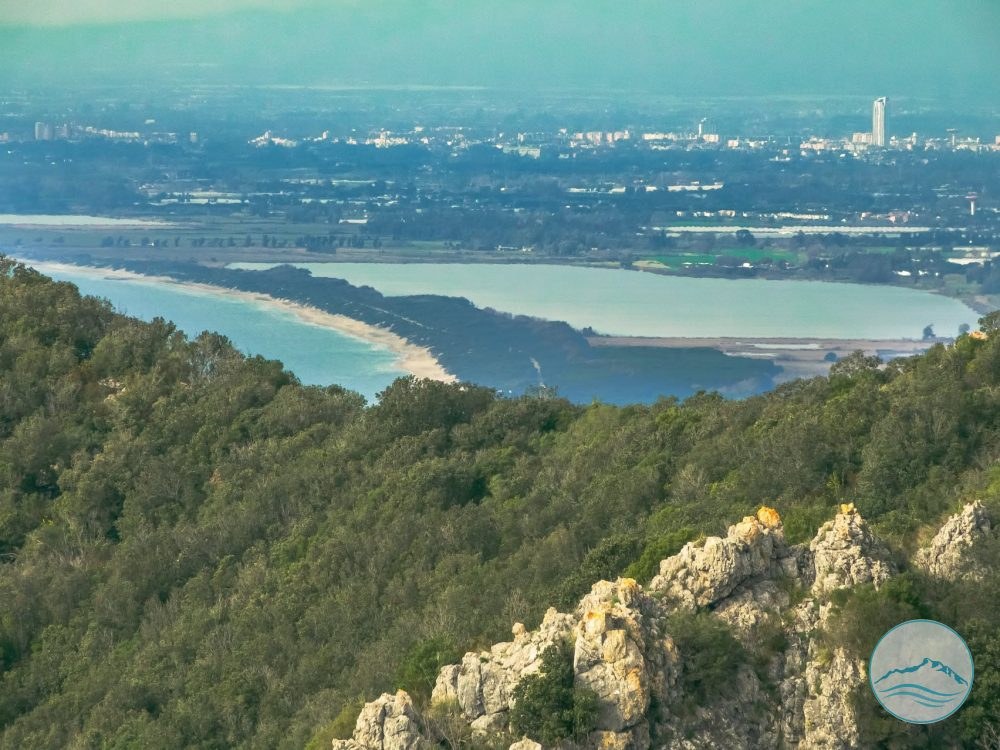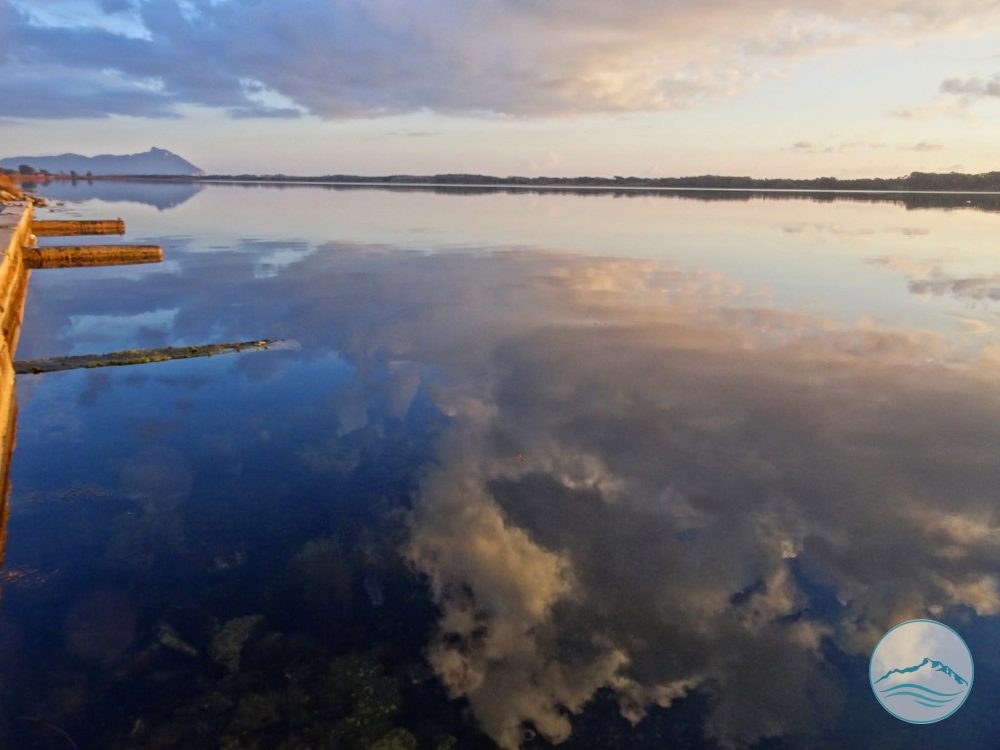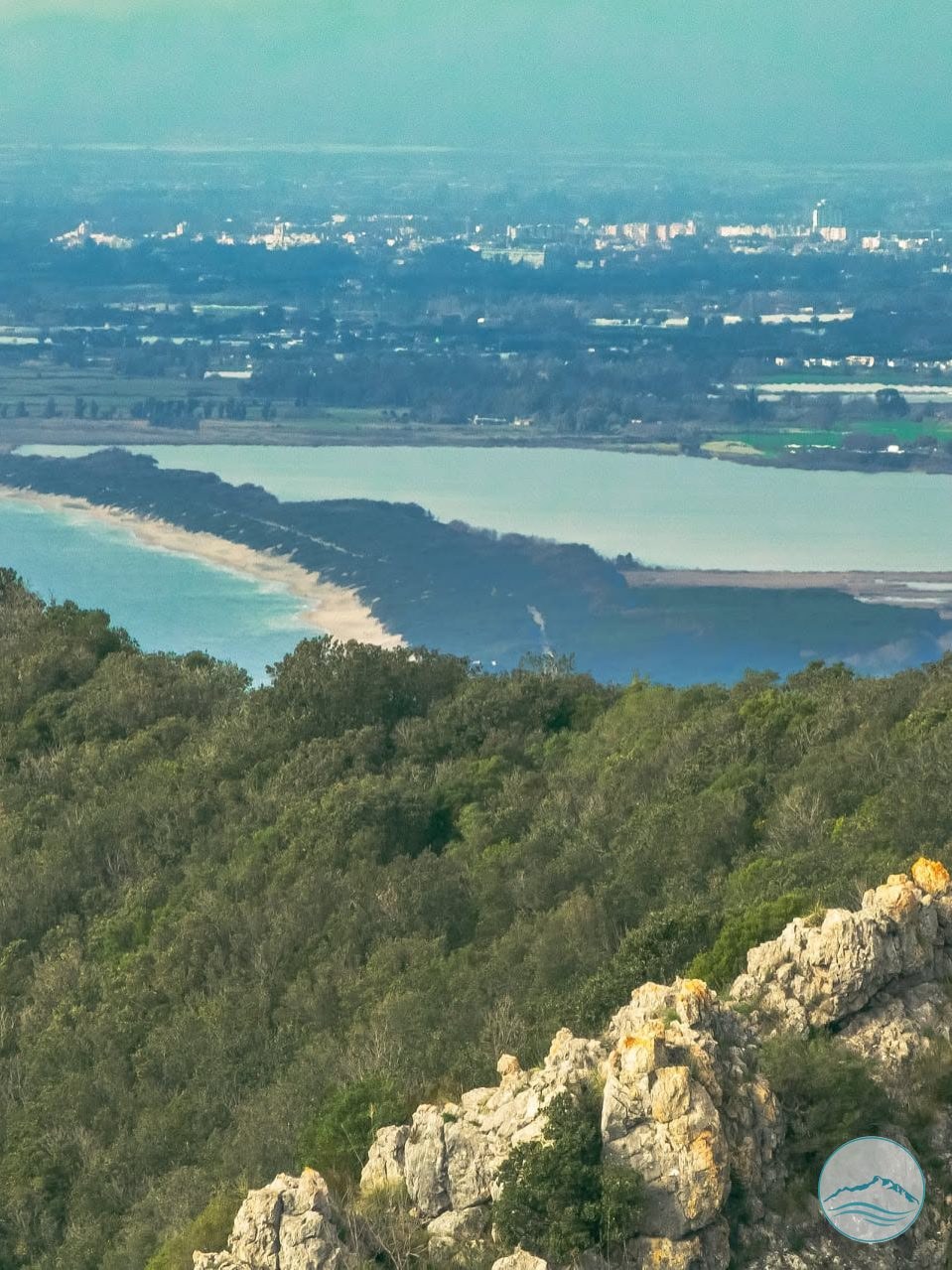
Lago di Caprolace is one of the four coastal lakes that make up the lake system of the Parco Nazionale del Circeo (Circeo National Park). It is a shallow, brackish lagoon lying behind the dunes, separated from the sea by the coastal dune ridge and connected to it by channels.
The lake and the surrounding wetlands are what remains of the ancient landscape of the Pontine Marshes, and they are home to habitats of EU importance, valuable above all for waterbirds and migratory species.
The coastal lake complex is recognised as a wetland of international importance under the Ramsar Convention.
The lake is a Ramsar site: the wetland was designated on 14 December 1976 (code 7IT013), and its international data sheet gives Caprolace an area of around 230 hectares, with brackish, almost saline water and a tidal range of just 12–14 centimetres.
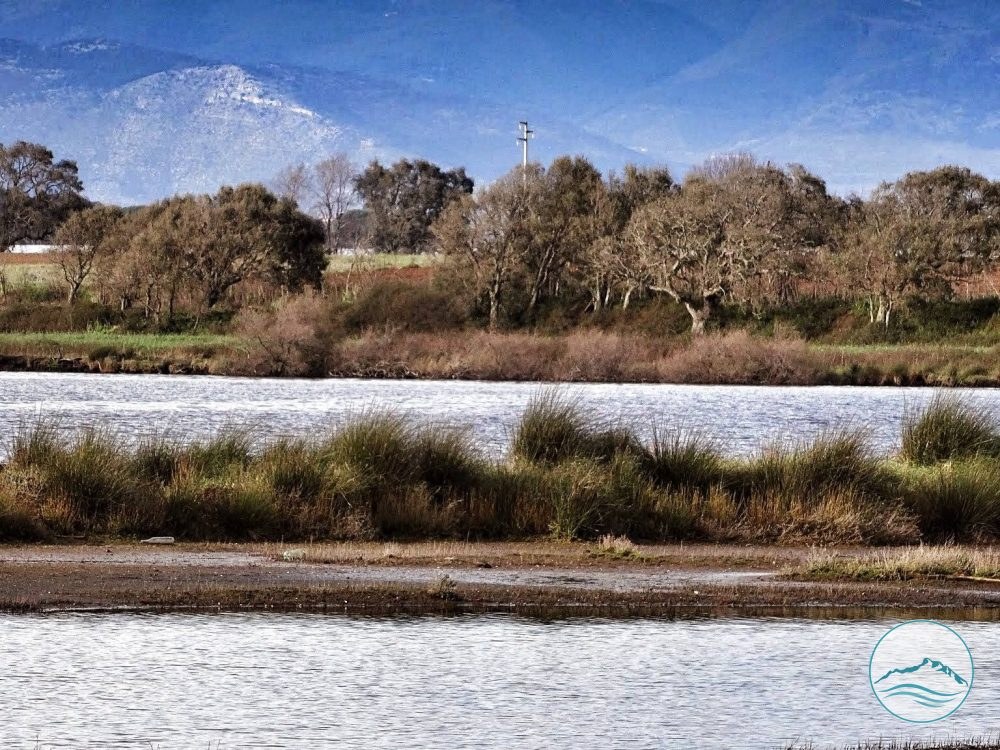
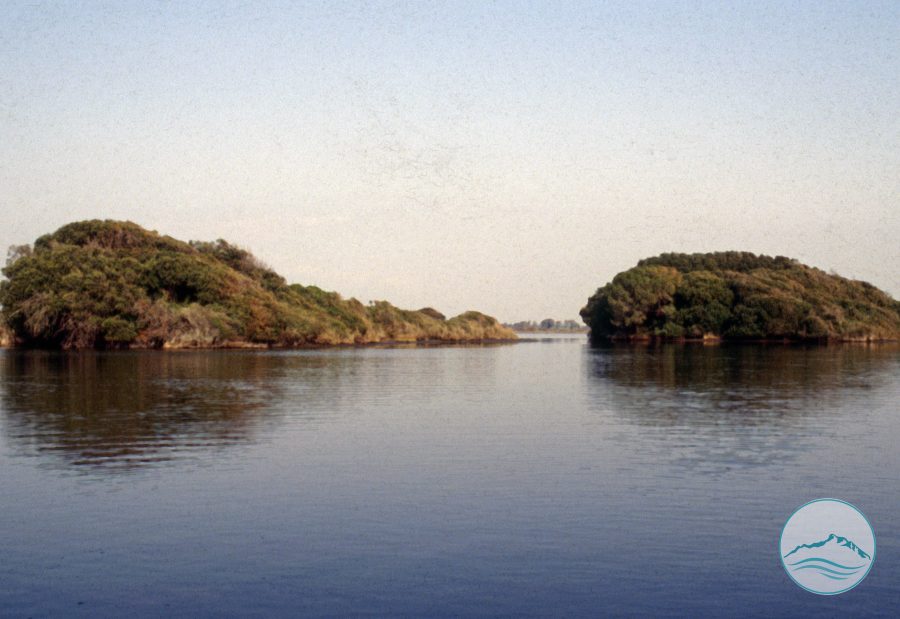
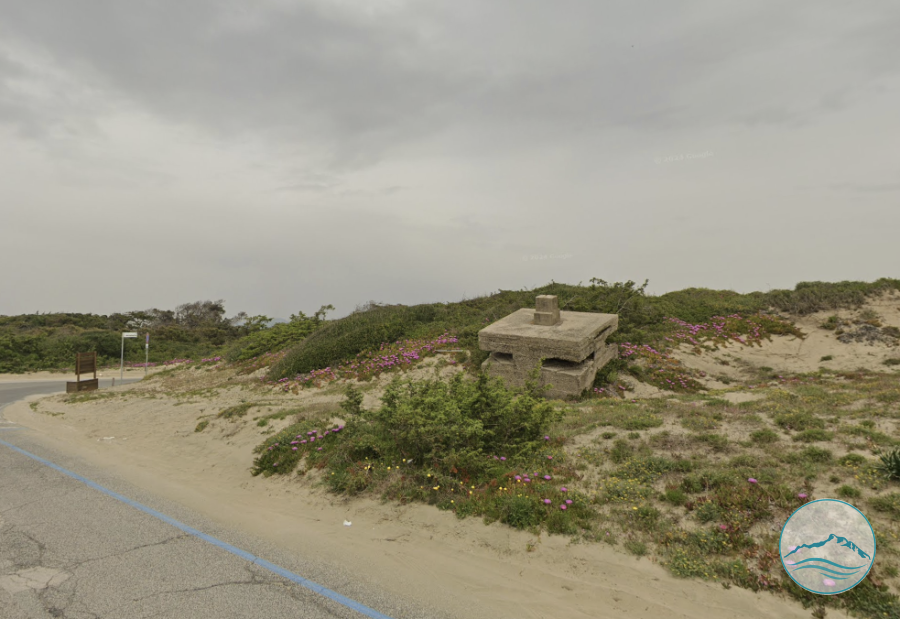
The shores are lined with reed beds (Phragmites australis, Typha latifolia), rushes and salt-tolerant plants such as glasswort and sea lavender, while the dunes behind are covered with junipers and elm and poplar woods, along with rows of eucalyptus and pines planted during the land reclamation.
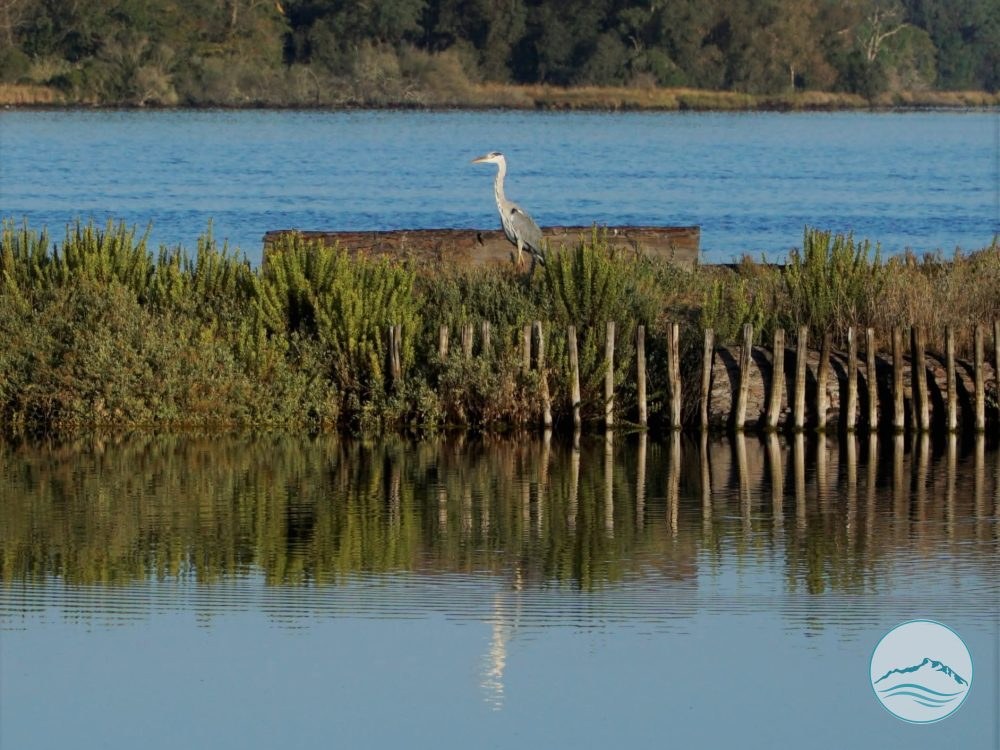
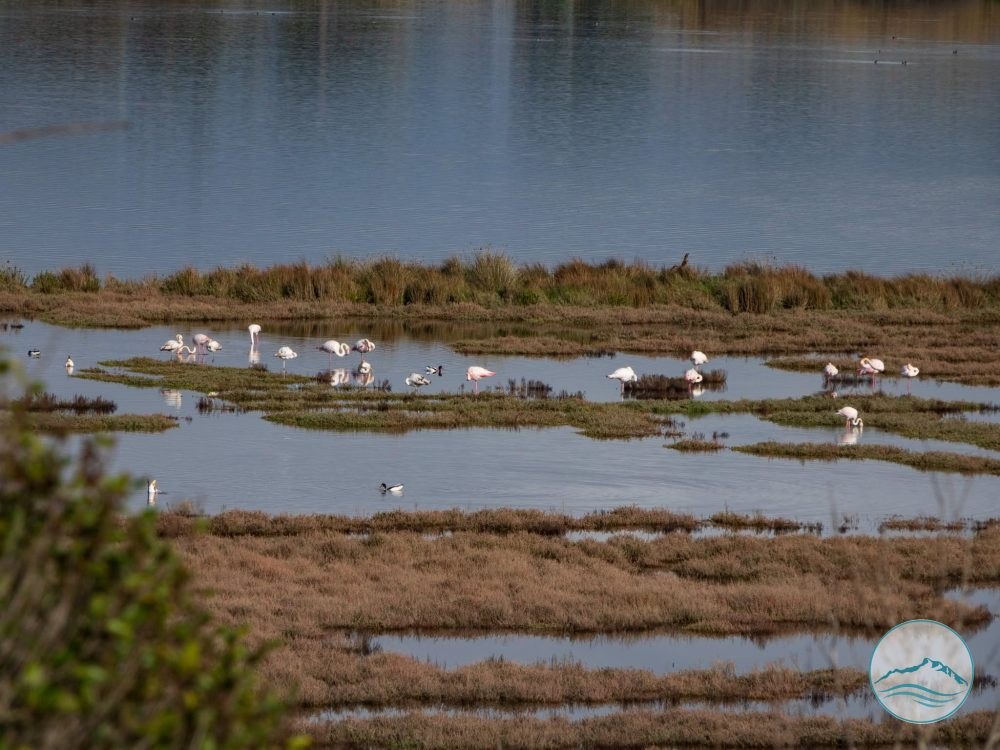
Breeding birds include the little bittern, the moorhen and the bearded reedling, while herons, ducks, waders, gulls and terns pass through on migration or spend the winter here; marsh harriers and ospreys also frequent the area, and the Circeo is one of the most important places on the Italian peninsula for wintering cormorants.
Traditional activities include controlled extensive fishing for sea bass, gilthead bream, eels and grey mullet, as well as water buffalo farming on the nearby pastures. Among the threats identified is unregulated tourism, which reduces the plant cover on the dunes and leads to erosion and litter. Visitors must follow the Park's regulations.